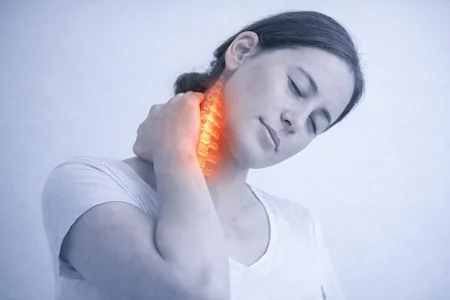
It’s very common for people to confuse tension headaches with migraines. While both can cause significant discomfort, they have distinct characteristics. Here’s a breakdown to help differentiate between the two:
Tension Headaches
Tension headaches are the most common type of headache, often described as a feeling of a tight band or pressure around the head, or a dull, aching pain. The pain is typically mild to moderate.
Symptoms can include a dull, aching head pain with tightness or pressure across the forehead, sides, or back of the head. There may be tenderness in the scalp, neck, and shoulder muscles.
The typical characteristics are that it usually affects both sides of the head. They are generally not accompanied by nausea or vomiting. There may be sensitivity to light or sound, but it’s not common. Physical activity typically doesn’t worsen the pain. Triggers include stress, poor posture, muscle strain and fatigue.
Migraines
Migraines are more severe than tension headaches. They often involve throbbing or pulsating pain and can significantly disrupt daily activities. Symptoms are often described as a throbbing or pulsating pain, often on one side of the head, with nausea and/or vomiting. Patients are often sensitive to light, sound, and smells. They may describe visual disturbances (aura), such as flashing lights or blind spots.
Migraines often affect one side of the head. The head pain can be moderate to severe, and physical activity usually worsens the pain. Migraine triggers typically include stress, hormonal changes, certain foods and drinks, changes in sleep patterns and exposure to sensory stimuli like strobe, fluorescent or flickering lights, which can be a significant trigger for people with photophobia or light sensitivity.
For readers interested in how chiropractic care can help with migraines, see our full article: Can a Chiropractor Help With Your Migraine?.
Key Differences Between Tension Headaches and Migraines
Pain
- Tension headaches: Dull, aching, pressure-like pain.
- Migraines: Throbbing or pulsating pain.
Location
- Tension headaches: Usually affects both sides of the head.
- Migraines: Often affects one side of the head.
Associated Symptoms
- Tension headaches: Minimal or no associated symptoms.
- Migraines: Nausea, vomiting, sensitivity to light and sound, and possible aura.
Severity
- Tension headaches: Mild to moderate intensity.
- Migraines: Moderate to severe intensity.
It’s important to consult a healthcare professional if you experience:
- Sudden, severe headaches.
- Headaches accompanied by fever, stiff neck, confusion, seizures, or vision changes.
- Frequent or chronic headaches that interfere with your daily life.
Chiropractic care offers a valuable approach to addressing tension headaches, primarily by focusing on the musculoskeletal system. We seek to address the root causes of tension headaches, rather than simply masking the symptoms. By focusing on musculoskeletal health, posture, and stress reduction, chiropractors can provide a valuable and drug-free approach to headache relief.
Dr Michael Black and Dr David Black will be pleased to offer their help in finding the cause of your headache at their Toorak and Doncaster chiropractic clinics. Call 0483 960 996 or book online.